

The Pygmy Hog Conservation Programme team discuss successfully releasing hogs into the wild.
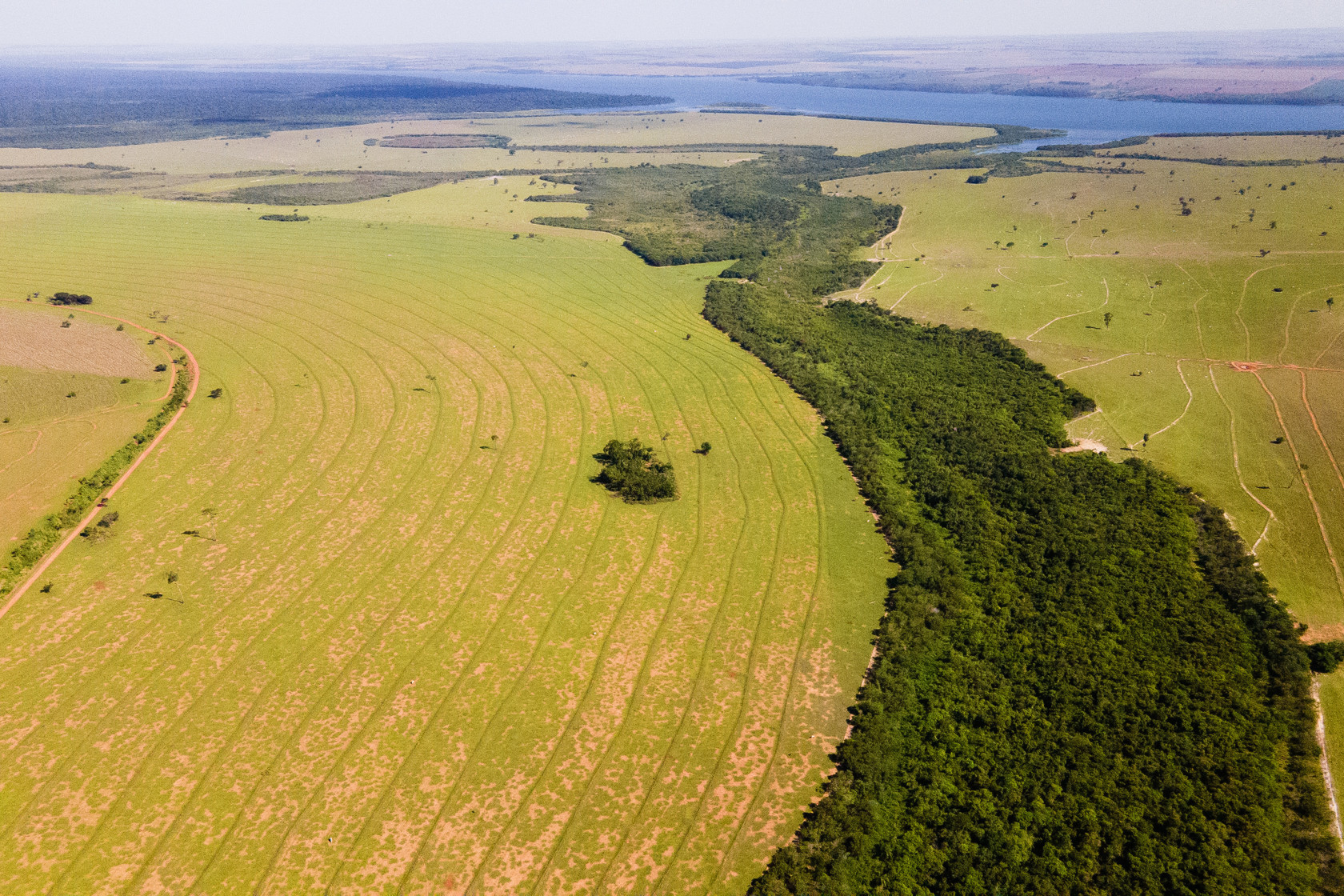
We recently released 15 pygmy hogs, the smallest pig in the world, into their historic home: the Kuribeel grasslands, in Manas National Park in Assam, India. This follows many years of successful releases by Durrell and our partners in the Pygmy Hog Conservation Programme (PHCP), but the first into their historical home, and marks 194 hogs released into this national park.
Following the release, we are monitoring the hogs as they explore their new home, looking at their habitat use, their patterns of behaviour and their body condition. We do this through strategically placed camera traps at the baiting station where we provide supplementary food for the first few weeks, and also through radio tracking. Radio-tracking in dense grasslands is not always easy however, and the team have had to rely on borrowing elephants from the forest department to reach the more inaccessible areas of the habitat!

Five of the released pygmy hogs had radio-tracker implants, which allows us to use their individual frequencies to track where the hogs are moving in the grasslands. Three of those implanted were females who were pregnant at the time of release. Excitingly, we have recently seen the female hogs separating out from the group, which we suspect is to enable them to have some isolation to give birth, so we could be seeing some even tinier hogs in the near future! The hogs otherwise seem to be using the grasslands as expected, travelling less than 1km from the release site. After many years of habitat restoration by Durrell and our partners in this part of Manas National Park, they should have plenty of quality grasslands in which to make their homes.
The camera traps are also giving regular exciting updates. Some of the animals seen at the baiting site in the last week or so include elephants, wild water buffalo, and even a tiger! Camera traps not only give us visual confirmation of the hogs still moving around in the same areas (including those that don’t have implanted trackers) but also gives us a visual indication of the hogs’ body condition, and of course gives us an idea of who they might have as their new neighbours.

We will continue to monitor the hogs through radio-tracking as long as the implant batteries last, which should be several months, and although we will soon cease giving supplementary food, we do annual camera trap population surveys at all our release sites, so we will still hope for more camera trap images of released hogs as the year goes on.
The Pygmy Hog Conservation Programme (PHCP) is a collaboration between Durrell, the Assam Government, Aaranyak, IUCN SSC wild Pig Specialist Group and EcoSystems India.