

Durrell named one of three global winners of the 2025 Farmer Field School Innovation Award
Tuesday 2 December 2025
Our work in Madagascar stood out among over 300 international submissions at the Food and Agriculture Organisation of the United Nations (FAO) Science and Innovation Forum, which is part of the World Food Forum.
Our Composting for Lemurs and Livelihoods initiative was awarded with the 2025 Farmer Field School Innovation Award, demonstrating how communities are driving sustainable transformation through creativity, cooperation, and science-based experimentation. The award was presented in Rome to Brinah Razafiharimiando, who leads our conservation livelihoods work in Madagascar.


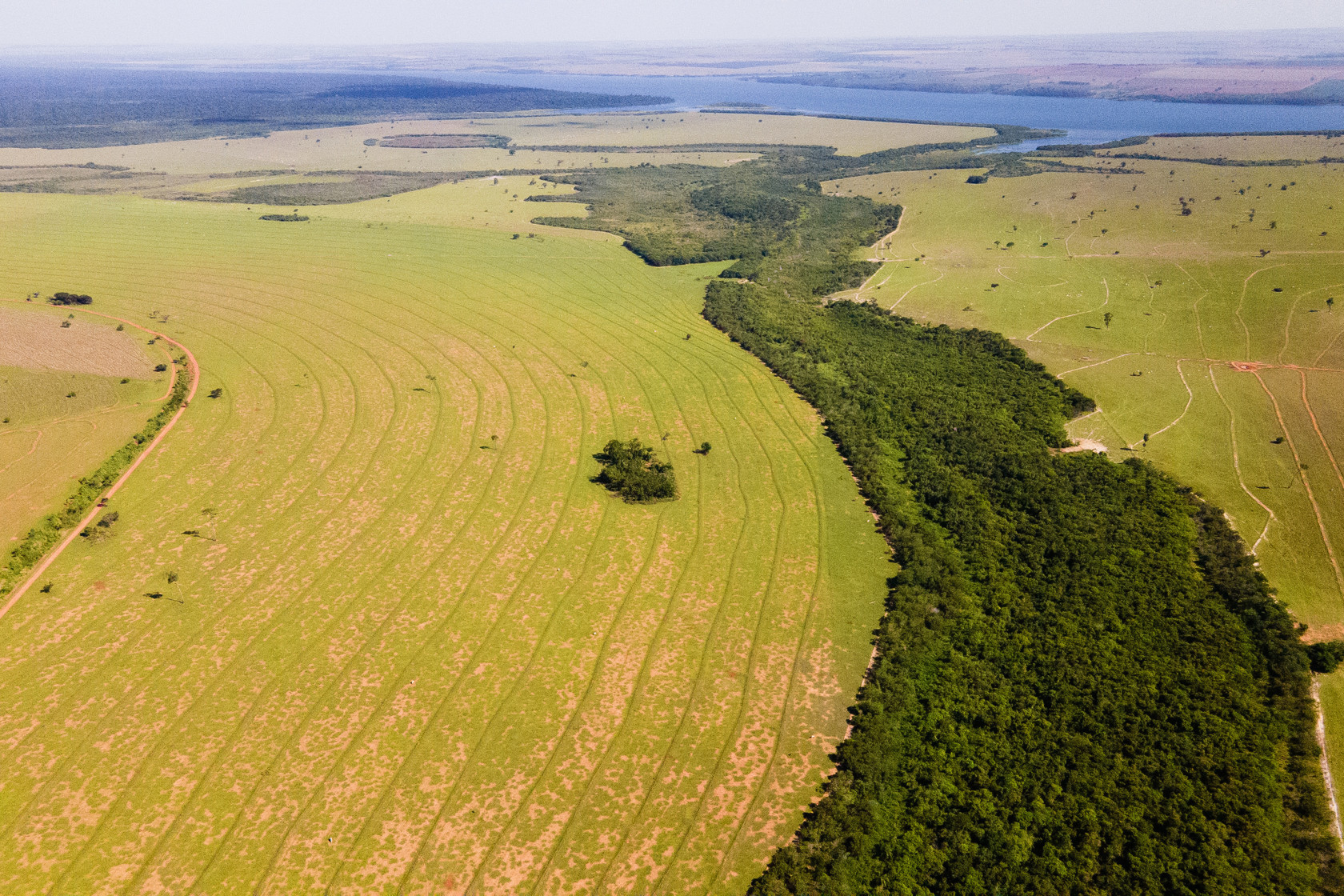
Lake Alaotra in Madagascar, home of the Critically Endangered Alaotran gentle lemur, is surrounded by farmland. Farmers have long depended on chemical fertilisers for their crops, which then enter the water system and unintentionally help water hyacinth, and other invasive plants, to grow and spread across the lake. They block waterways, limiting vital access for communities to fish, and obstruct lake patrols to monitor both wildlife and illegal activities.
To combat this, our team in Madagascar have been working closely with local communities, using the Farmer Field Schools approach. Durrell supports these communities through conservation livelihood projects to improve their well-being and involve them in conservation activities. The Farmer Field Schools approach has been adopted to promote sustainable agricultural techniques through hands-on, group-based learning that blends local knowledge with practical skills.

Our Malagasy team are supporting local farmers to use worms to decompose water hyacinth, and other invasive plants removed from the lake, turning it to rich fertilised compost. Farmers can then use this compost on their own land and then earn income by selling extra through farmer association groups. Durrell supported farmers to develop the idea, and expertise from our Malagasy team has created a sustainable and innovative livelihood opportunity that also helps to improve the habitat in and around Lake Alaotra, including for the Alaotran gentle lemur.
The initiative is currently being funded by Jersey Overseas Aid as part of VALIHA, a wider 5-year programme across three sites in Madagascar with a focus on working with local communities to help conserve threatened biodiversity through conservation livelihood opportunities.

“Currently, 73 members across four farmer groups are trialling the production of this compost, producing over 100 tonnes a year. This project has been very successful so far, with crops grown in the compost providing more produce, whilst also removing 20 hectares of invasive plants from Lake Alaotra each year.” Eve Englefield, Conservation Livelihoods Technical Specialist explains,
“This shows that community-led conservation is not just a win for biodiversity, but for people as well, and we’re proud to have been recognised by FAO for its success. We’re always looking for innovative opportunities at our other field sites too. For instance, in Manas National Park in India, we’re exploring similar projects that give local people access to resources and opportunities to build resilience within their own lives, without putting pressure on the National Park.”