

Durrell embarks on a new phase of landscape restoration in Madagascar
In October, Durrell officially launched our ambitious 5-year project, “Community-led landscape restoration of two Madagascar Ramsar sites”, setting out to help revitalise Madagascar’s landscapes through community-led restoration. Funded by the UK Government through Darwin Initiative, this project focuses on our reforestation and poverty reduction efforts in our Alaotra and Sofia sites in Madagascar, building on Durrell’s work at these sites over the past decade.

Chris Ransom, Director of Field Programmes at Durrell, said "we’re very grateful to have secured this funding to support reforestation across our Alaotra and Sofia sites in Madagascar. Over the past six years, we’ve reforested approximately 1,000 hectares with more than one million trees in these regions, and this new project enables us to scale up that impact even further. This marks an exciting new phase in our work, allowing us to expand our reforestation while also addressing poverty reduction through sustainable agroforestry and agricultural techniques, alongside our other livelihoods initiatives. Thanks to this support, we’ve also recruited a dedicated Reforestation Coordinator, which means we can now take a more strategic and coordinated approach, ensuring our efforts deliver the greatest possible benefits for biodiversity, local communities, and long-term livelihoods.”

Where is the project based?
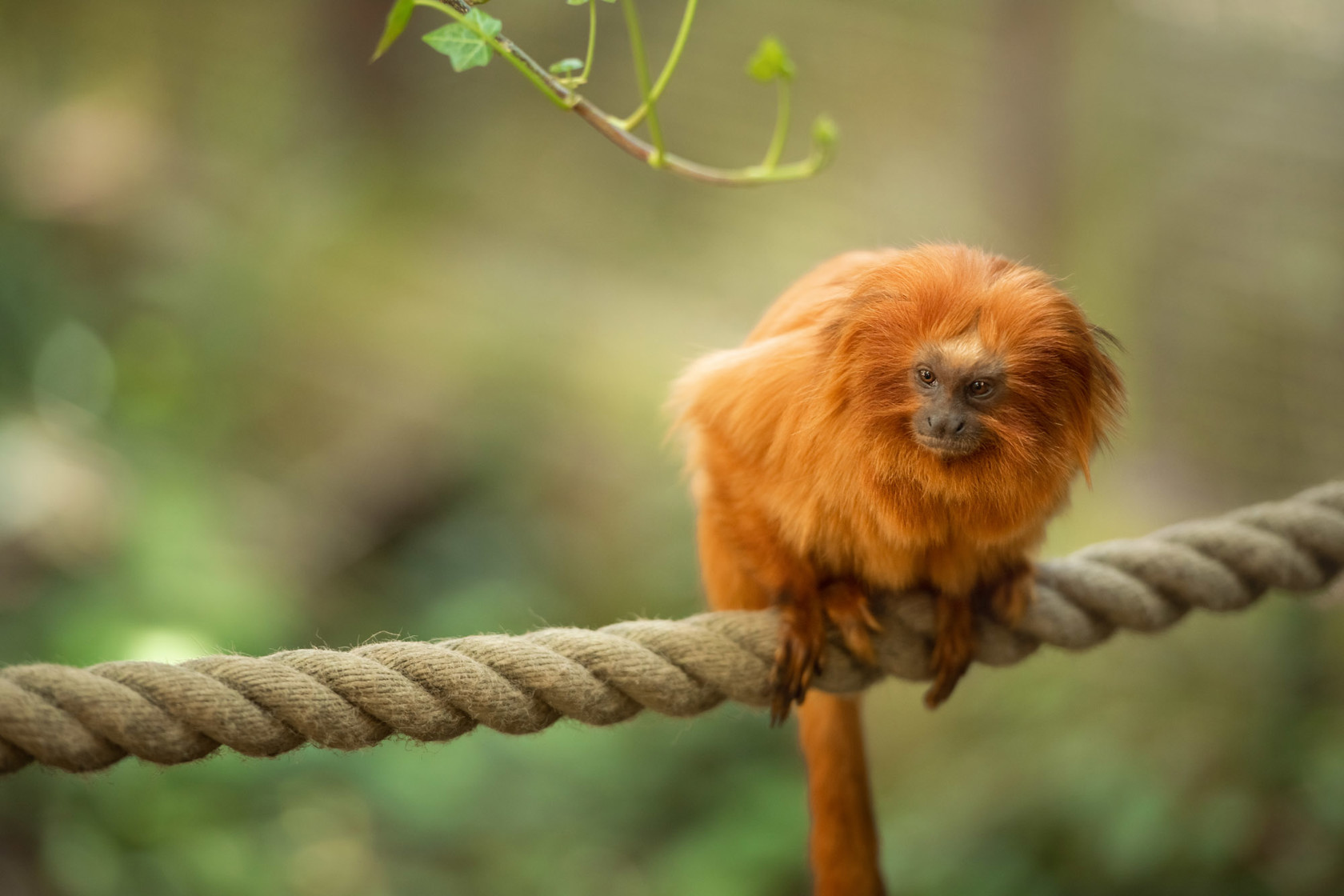
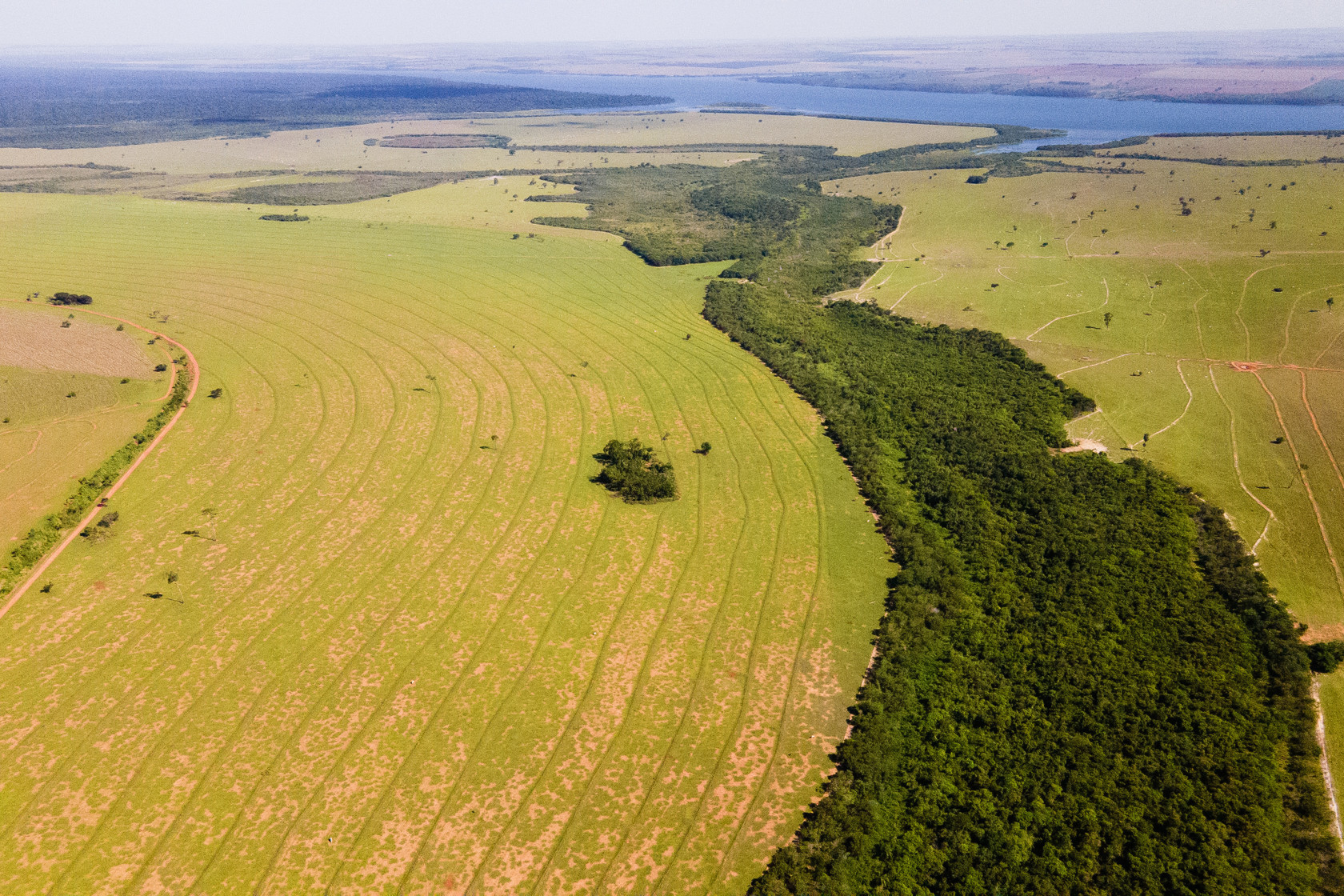
The project focuses on the watersheds of Sofia and Alaotra in Madagascar. Both watersheds are designated Ramsar sites, which means that they’ve been recognised as wetlands of international importance. They are 1,650 hectares and 722,500 hectares respectively, which means they cover land equivalent to six times the area of Jersey. They are home to native, Critically Endangered species, such as the world’s rarest duck, the Madagascar pochard, and the Alaotran gentle lemur, once described by Gerald Durrell as a ‘honey-coloured teddy bear’.
The people who live in these watersheds rely on farming and fishing for their income, but the habitats and natural resources they rely on have been degraded from forest loss and fires, leading to problems like biodiversity loss, soil erosion, siltation of the lakes, and poor crop yields.
Furthermore, the health of the ecosystem in these watersheds and the services they provide, such as flood regulation, food, and fuel, are essential to the wellbeing of the rural communities that live in these areas.

What will the project achieve?
This project will build capacity within communities living around these watersheds. We aim to restore degraded habitats using native species, whilst also guarding against further deforestation and agricultural expansion through establishing woodlots (managed areas of planting for fuel/other uses); supporting sustainable agricultural practices (through climate-smart agriculture) and agroforestry; and bringing thousands of hectares of land under protection through community-led patrols.
With the establishment of new tree nurseries, the project is set to produce a massive 50,000 seedlings every year, offering not just environmental benefits but also employment and hands-on training for local people. By planting trees across 200-300 hectares annually (like planting an area the size of Monaco every year!), Durrell aims to return bare landscapes to new, growing, forests. Restoration of poor agricultural land will also help to reduce the pressures on native habitats, with sustainable practices aiming to improve soil condition, food security, and resilience to climate change.
With restoration mapping completed for both sites, we aim to scale up reforestation efforts through locally-led initiatives, providing the training, jobs, and means to restore and sustainably manage these landscapes for the future of Madagascar’s unique biodiversity and people.
With thanks to UK International Development from the UK government for funding this Darwin Initiative project.