

Successful second translocation of lesser night geckos, despite predation from invasive species
22 July 2026
Despite unexpected challenges, another 104 lesser night geckos have returned to Mauritius thanks to the quick response of Durrell and our partners from the Mauritius Island Restoration Programme.
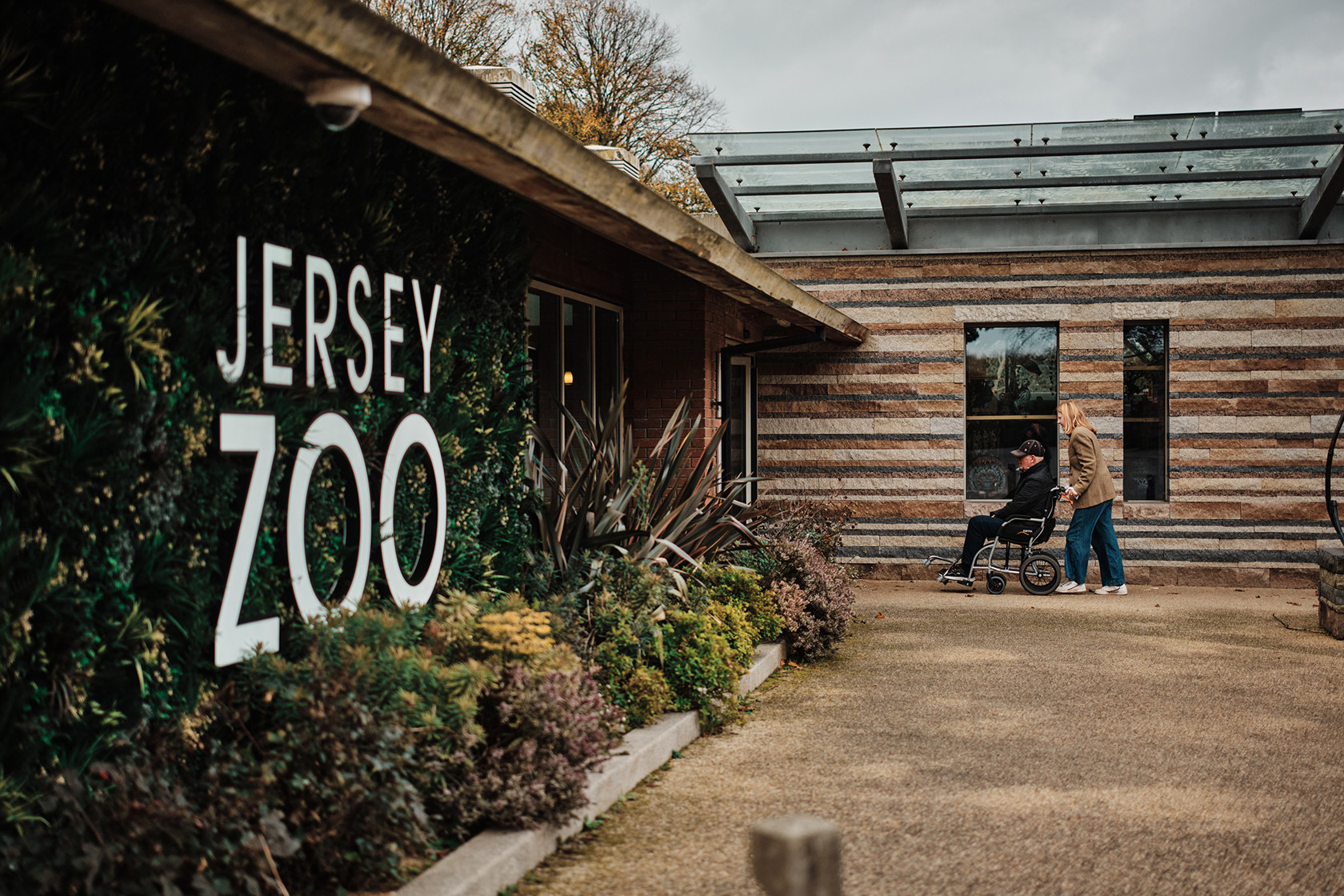
In December 2025, 142 lesser night gecko eggs were transported from Jersey Zoo to Mauritius to help support the lost genetic diversity in the species, after they were tragically impacted following the MV Wakashio oil spill in 2020.

This marked the second reintroduction of eggs laid by geckos at Jersey Zoo, after 57 eggs were transported earlier in the year. The first reintroduction which was deemed a huge success, saw 88% of the eggs hatching and rejoining the wild population on the Mauritian islet of Ilot Vacoas.
The second release mirrored the same process, where the eggs were placed in underground units, and monitored fortnightly. Unfortunately, in January it became clear that many of the eggs were being attacked by big-headed ants, an invasive species in Mauritius. The monitoring showed that 25% of the eggs that were thought to have hatched had clear signs of predation, and for a further 55%, it was not possible to tell if the geckos had survived or had also been predated on. Ants were also turning many of the unhatched eggs, which can kill the developing embryo.
Thanks to the immediate response and coordination between partners of the Mauritius Island Restoration Programme, the remaining 91 unhatched eggs were collected and taken to a biosecure facility at the premises of the Mauritian Wildlife Foundation. Once there, the team were able to monitor the eggs daily, and within 28 hours of any geckos hatching, they were released on Ilot Vacoas in the evenings. This approach led to 68 geckos being successfully released. The remaining eggs likely failed to hatch due to being turned by the big-headed ants before the team were able to collect them.

Although this was not the original plan for the release, this method has proven to be hugely beneficial for monitoring. The team have been able to photograph each gecko’s unique skin pattern, meaning that when the wild population is monitored in the future, they may be able to identify how many released geckos have survived into maturity.
Speaking about this release, Dr Nik Cole, Durrell’s Island Restoration Manager, said
“We were surprised to find so many ants attacking the eggs, especially when the initial release had gone so well. Our quick response and coordination with our partners meant we were able to save over half of the eggs from Jersey Zoo, where very few would have survived had we not reacted. We pride ourselves at Durrell at being nimble and being able to react quickly to new challenges and improve conservation outcomes, and this is a perfect example of this. We now hope to incubate, and hand release future eggs, which will ensure the survival of many more geckos.”
The team plan to transport further eggs from Jersey Zoo to Mauritius over the coming years, and will continue to adapt the approach based on learnings, to ensure the best chance of survival for this species.
The Mauritius Island Restoration Programme is a partnership between Durrell Wildlife Conservation Trust, Mauritian Wildlife Foundation, and the Government of Mauritius (National Parks and Conservation Service, with support from the Forestry Service).