
Become a member
As a vital part of our community, you can help care for the animals at Jersey Zoo and save species worldwide.
Learn more
Donate
We can all make a difference by taking action, fundraising, or making a donation. Together, we can prevent extinction.
Learn more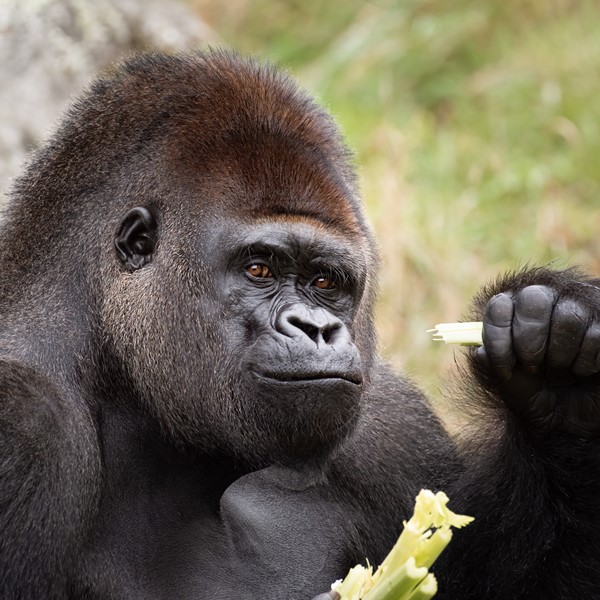 Mammals
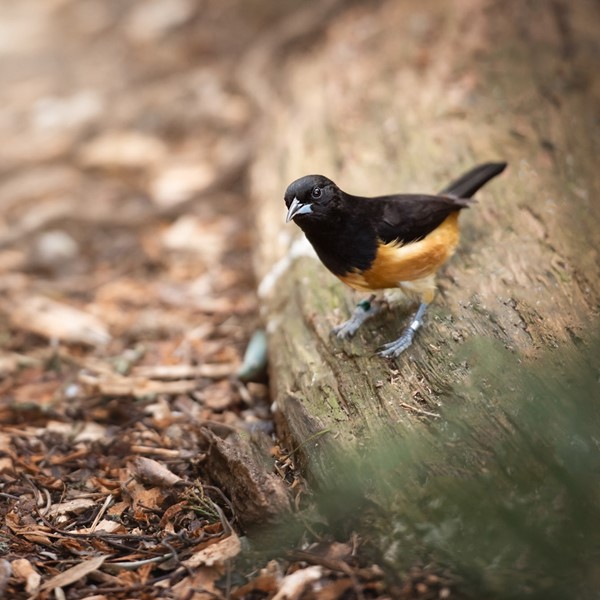 Birds
Birds Amphibians
 Reptiles
- Aardvark
- Alaotran gentle lemur
- Aye-aye
- Black and white ruffed lemur
- Black lion tamarin
- Capybara
- Gelada
- Giant anteater
- Golden Guernsey goat
- Golden lion tamarin
- Linne's two-toed sloth
- Livingstone's fruit bat
- Northern white-cheeked gibbon
- Ring-tailed lemur
- Silvery marmoset
- Slender-tailed meerkat
- Sumatran orangutan
- Western lowland gorilla
- White-handed gibbon
- Visayan warty pig
Become a member
As a vital part of our community, you can help care for the animals at Jersey Zoo and save species worldwide.
Learn more
Donate
We can all make a difference by taking action, fundraising, or making a donation. Together, we can prevent extinction.
Learn more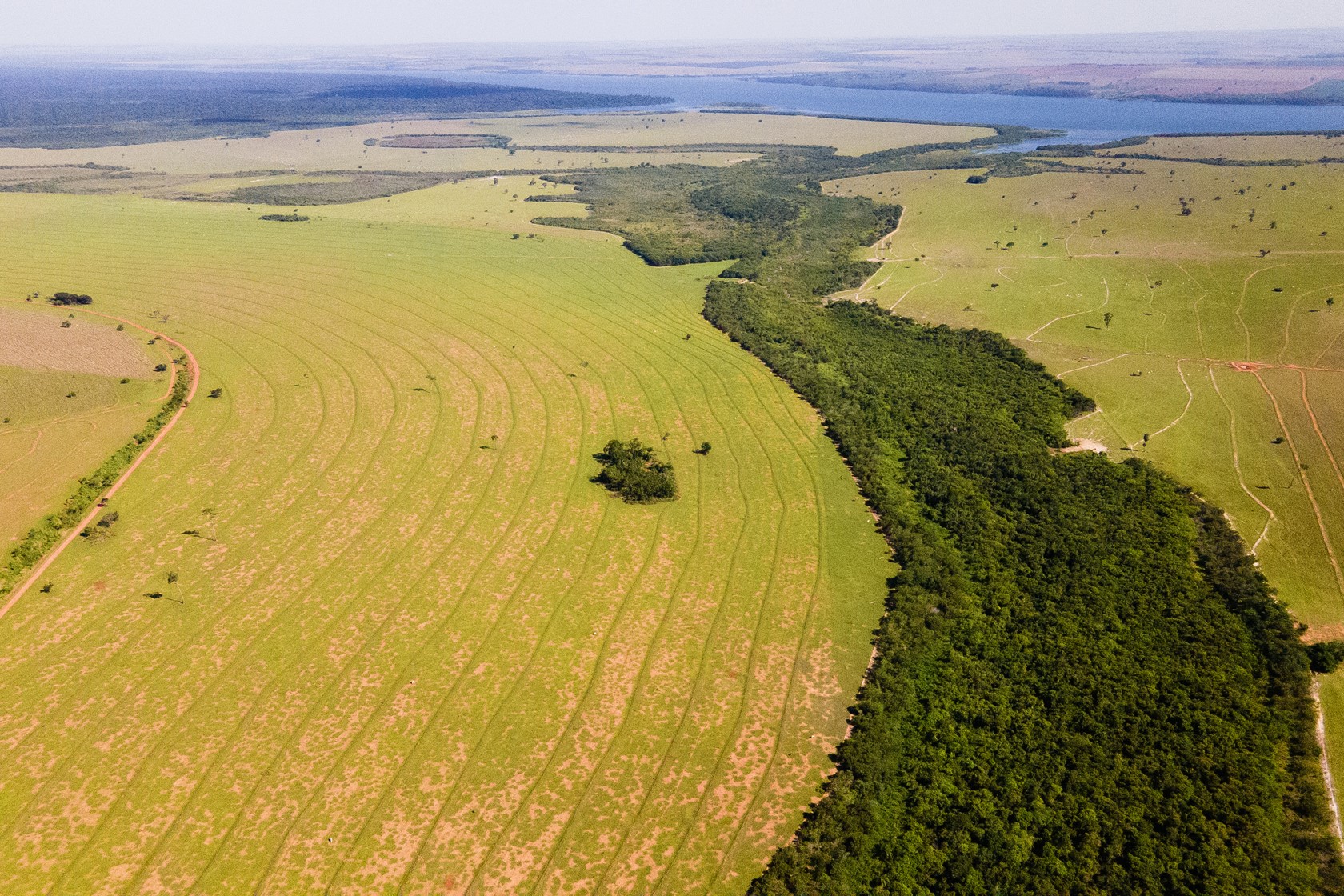
Cans for Corridors
Recycle your aluminium cans with Durrell and help save species from extinction
Learn more
Become a member
As a vital part of our community, you can help care for the animals at Jersey Zoo and save species worldwide.
Learn more
Donate
We can all make a difference by taking action, fundraising, or making a donation. Together, we can prevent extinction.
Learn more
Back
Alaotran gentle lemur
Amphibian programme
Black lion tamarin
Madagascar big-headed turtle
Madagascar pochard
Mountain chicken frog
Ploughshare tortoise
Pygmy hog
Red-billed chough
Saint Lucia racer
Telfair's skink
Become a member
As a vital part of our community, you can help care for the animals at Jersey Zoo and save species worldwide.
Learn more
Donate
We can all make a difference by taking action, fundraising, or making a donation. Together, we can prevent extinction.
Learn more
Become a member
As a vital part of our community, you can help care for the animals at Jersey Zoo and save species worldwide.
Learn more
Donate
We can all make a difference by taking action, fundraising, or making a donation. Together, we can prevent extinction.
Learn more
Become a member
As a vital part of our community, you can help care for the animals at Jersey Zoo and save species worldwide.
Learn more
Donate
We can all make a difference by taking action, fundraising, or making a donation. Together, we can prevent extinction.
Learn more
Back
Plan Your Visit
Meet Our Animals
Stay at Jersey Zoo
About Jersey Zoo
Charity Shop
School Visits
Group Visits
Food & Drink
Become a member
As a vital part of our community, you can help care for the animals at Jersey Zoo and save species worldwide.
Learn more
Donate
We can all make a difference by taking action, fundraising, or making a donation. Together, we can prevent extinction.
Learn more
Back
Admissions
Opening Times
Getting Here
Zoo Map
Animal Experiences
What's on
Keeper Talks
Food & Drink
Facilities
Accessibility
Become a member
As a vital part of our community, you can help care for the animals at Jersey Zoo and save species worldwide.
Learn more
Donate
We can all make a difference by taking action, fundraising, or making a donation. Together, we can prevent extinction.
Learn more
Become a member
As a vital part of our community, you can help care for the animals at Jersey Zoo and save species worldwide.
Learn more
Donate
We can all make a difference by taking action, fundraising, or making a donation. Together, we can prevent extinction.
Learn more
Back
Aardvark
Alaotran gentle lemur
Aye-aye
Black and white ruffed lemur
Black lion tamarin
Capybara
Gelada
Giant anteater
Golden Guernsey goat
Golden lion tamarin
Linne's two-toed sloth
Livingstone's fruit bat
Northern white-cheeked gibbon
Ring-tailed lemur
Silvery marmoset
Slender-tailed meerkat
Sumatran orangutan
Western lowland gorilla
White-handed gibbon
Visayan warty pig
Become a member
As a vital part of our community, you can help care for the animals at Jersey Zoo and save species worldwide.
Learn more
Donate
We can all make a difference by taking action, fundraising, or making a donation. Together, we can prevent extinction.
Learn more
Become a member
As a vital part of our community, you can help care for the animals at Jersey Zoo and save species worldwide.
Learn more
Donate
We can all make a difference by taking action, fundraising, or making a donation. Together, we can prevent extinction.
Learn more
Become a member
As a vital part of our community, you can help care for the animals at Jersey Zoo and save species worldwide.
Learn more
Donate
We can all make a difference by taking action, fundraising, or making a donation. Together, we can prevent extinction.
Learn more
Back
Aldabra giant tortoise
Galápagos giant tortoise
Madagascar big-headed turtle
Ploughshare tortoise
Radiated tortoise
Telfair's skink
Become a member
As a vital part of our community, you can help care for the animals at Jersey Zoo and save species worldwide.
Learn more
Donate
We can all make a difference by taking action, fundraising, or making a donation. Together, we can prevent extinction.
Learn more
Become a member
As a vital part of our community, you can help care for the animals at Jersey Zoo and save species worldwide.
Learn more
Donate
We can all make a difference by taking action, fundraising, or making a donation. Together, we can prevent extinction.
Learn more
Back
Donate
Membership
Appeals
Fundraise
Adopt an animal
Join the team
Partnerships
Rewild Carbon
Gift In Your Will
Philanthropy
Cans for Corridors
Recycle your aluminium cans with Durrell and help save species from extinction
Learn more
Back
Love Your Zoo: Storm Ciarán clear up
Small but Mighty
Regular Giving
Revive the Magic of Madagascar
Hope For Tortoises
Cans for Corridors
Recycle your aluminium cans with Durrell and help save species from extinction
Learn more